Cruise Routes Explored

Planning Your Route
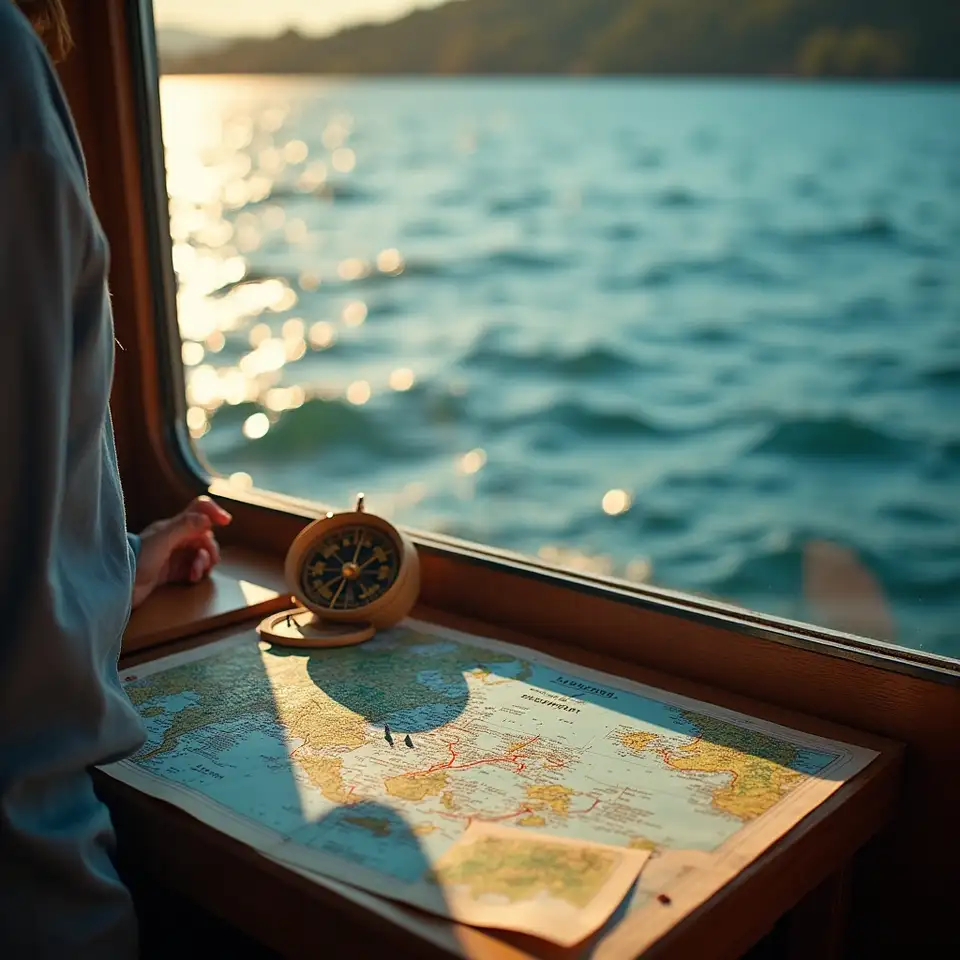
Choosing a cruise route can feel surprisingly complex — there are so many ports, durations, and ship types to weigh up. Do you start from Port Klang and head toward Langkawi, or venture further into the Strait of Malacca? Each itinerary carries its own rhythm, and part of the joy is figuring out what kind of traveller you actually are before you set sail. We are still mapping out which regional routes offer the most variety for first-time cruisers.
Ports Worth Knowing
Malaysia sits at a fascinating crossroads of Southeast Asian sea routes. Penang, Kota Kinabalu, and Kuching each offer something different — colonial architecture, rainforest access, and local food markets that stay busy well into the evening. Experienced travellers often say a port visit is really only as good as what you do with your time ashore. That is something worth thinking about when comparing itineraries side by side, rather than just counting the number of stops.
Onboard Experiences
What actually happens once you are at sea? That question gets answered differently depending on the cruise line and ship class. Some vessels lean into entertainment — live performances, themed dining, activity decks. Others are quieter, designed more for people who want open water and a good book. There is no single right answer here, and honestly the industry seems to still be working out what the modern cruise traveller genuinely wants from those days between ports.
Practical Considerations
Packing for a cruise involves a few layers that land travel does not. Formal dinners, sun-soaked deck afternoons, and shore excursions that might involve a short hike all require different gear. Travel documentation for multi-country itineraries is another area where details matter — visa requirements across Southeast Asian ports can vary more than most people expect. Getting this right before departure tends to make the whole experience considerably smoother.
About Cruise Travel
Cruise travel in Malaysia opens up a region that is genuinely hard to cover any other way. Here is what we find most interesting about how it all fits together.
What Makes Regional Cruising Worth Considering
-
A Different Pace of Travel Across Borders: Unlike flying between cities, a cruise lets the journey itself become part of the experience. Watching the coastline shift from the South China Sea toward the Andaman is something most travellers describe as unexpectedly memorable. Whether that slower pace suits everyone is a fair question — but it does offer a perspective that faster modes of travel simply cannot.
-
Local Cuisine at Every Port of Call: Food is one of the most consistent highlights mentioned by cruise travellers returning through Malaysian ports. Each stop brings a distinct culinary identity — Penang's hawker stalls, Sabah's seafood markets, and the spice-heavy dishes of the east coast all reflect communities shaped by centuries of trade. Navigating that variety in a short port window is an art in itself.
-
Understanding Cabin Categories and What They Mean: Interior, ocean view, balcony, suite — the terminology can feel a little overwhelming at first. The price differences are real, but so are the trade-offs. A balcony cabin sounds appealing until you realise how much time most passengers actually spend on the shared deck. This is one of those areas where personal preference matters more than any general recommendation.
-
Shore Excursions Versus Independent Exploration: Cruise lines offer organised shore excursions, but many experienced travellers prefer to arrange their own plans once ashore. Both approaches have genuine merits. Organised tours tend to handle logistics smoothly and ensure you are back at the ship on time. Independent exploration often leads to more authentic encounters — though it does carry more responsibility for timing.
-
Seasonal Timing and Weather Patterns: Malaysia's weather is shaped by two distinct monsoon seasons, and cruise itineraries in the region reflect that reality. The northeast monsoon affects the South China Sea from roughly November through February, which influences which routes operate when. Getting the timing right is something even experienced cruise planners describe as an ongoing process of refinement rather than a solved problem.
What We Cover Here
This section of the site is dedicated to cruise travel across Malaysia and the broader Southeast Asian region. We explore route planning, port highlights, onboard life, and the practical side of preparing for a voyage — from documentation to packing. Our aim is to share what we know while being honest about what is still being worked out. The cruise industry in this region is evolving, with new itineraries, changing port infrastructure, and shifting traveller expectations all playing a role. We try to reflect that complexity rather than paper over it with oversimplified advice. Whether you are considering your first cruise or comparing options for a return voyage, we hope the content here gives you something useful to think about — and a few questions worth asking before you book.
Why Regional Cruise Travel Stands Apart
Southeast Asia's geography makes it unusually well-suited to cruise travel.
The region's island chains, river deltas, and coastal cities are spread
across distances that reward sea-based exploration. Malaysia in particular
occupies a position — straddling the South China Sea and the Strait of Malacca —
that puts it at the centre of some of the most historically significant trade
routes in the world. Modern cruise itineraries through these waters carry echoes
of that history, even when the ship is fully contemporary. There is something
worth sitting with in that contrast — ancient ports now accessible with a
boarding pass and an afternoon ashore.
Discovering Malaysia's Cruise Destinations
From the Strait of Malacca to the South China Sea and beyond

Malaysia's position in Southeast Asia makes it a natural starting
point for cruise exploration. The country's ports connect travellers
to an extraordinary range of landscapes, cultures, and cuisines within
relatively short sailing distances. It is a region that rewards
curiosity, and there is still plenty being discovered about how best to
navigate it.
Port Klang serves as the primary cruise gateway for Kuala Lumpur, handling a steady flow of regional and international itineraries. Further north, Penang's Georgetown offers a UNESCO-listed old town that cruise passengers can explore within a few hours ashore. To the east, Kota Kinabalu and Kuching open up Borneo — a destination that tends to reframe travellers' expectations of what a cruise port stop can actually be. Each of these places has layers that a single visit only begins to reveal.
What is less often discussed is how much the experience varies depending on the time of year, the ship size, and the specific itinerary structure. A smaller vessel on a seven-night Borneo route feels quite different from a large ship on a Singapore-to-Bangkok circuit that includes a Penang stop. Both have their merits, and neither is obviously the right choice for everyone. That is part of what makes cruise travel in this region genuinely interesting to think through — the variables are real, and the answers are not always tidy.
Life at Sea
There is a particular quality to the first morning at sea, when the coastline
has disappeared and the only thing visible in any direction is open water. Many
cruise travellers describe it as unexpectedly calming — a kind of enforced pause
that modern travel rarely offers.
Ship size plays a larger role in the onboard experience than most first-time
cruisers anticipate. Larger vessels carry more amenities — multiple restaurants,
pools, entertainment venues — but they also bring more fellow passengers and a
schedule that can feel surprisingly structured.
Smaller ships offer a different dynamic. Fewer passengers means quieter common
areas, and itineraries on smaller vessels often include ports that larger ships
simply cannot access. Whether that trade-off is worth it depends heavily on what
you are hoping to get out of the journey.
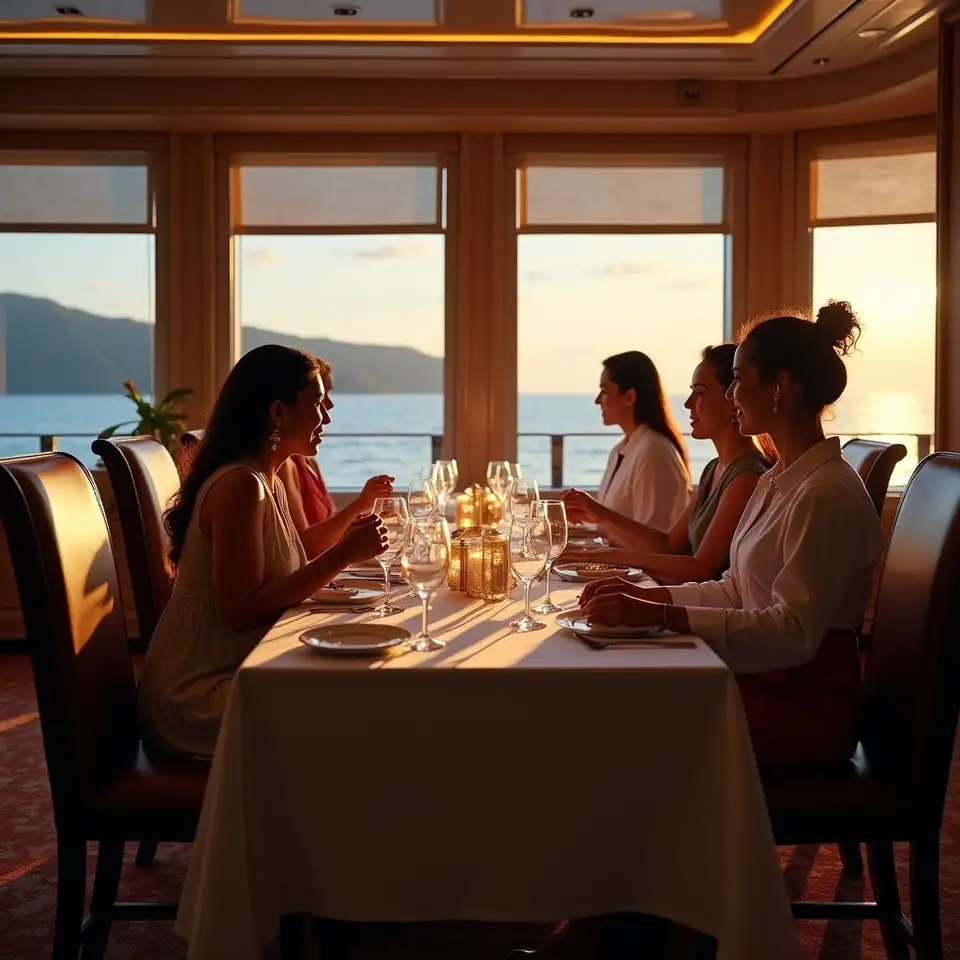
Dining on a cruise has changed considerably over recent years. The formal sit-down dinner remains a fixture on many ships, but the range of casual and specialty dining options has expanded. How much of that variety you actually experience often comes down to how intentional you are about planning your meals onboard.
Sea days — the ones with no port stop — divide opinion among cruise travellers. Some find them restorative, a chance to read, swim, and do very little. Others find the absence of a destination slightly disorienting. It is worth thinking honestly about which camp you fall into before choosing an itinerary with several consecutive sea days.
The social dimension of cruising is something that does not always make it into
pre-booking research. Shared dining tables, deck chairs, and shore excursions
create conditions for conversation that most other forms of travel do not.
Whether that is a feature or a complication probably depends on the day.

Planning Your Voyage
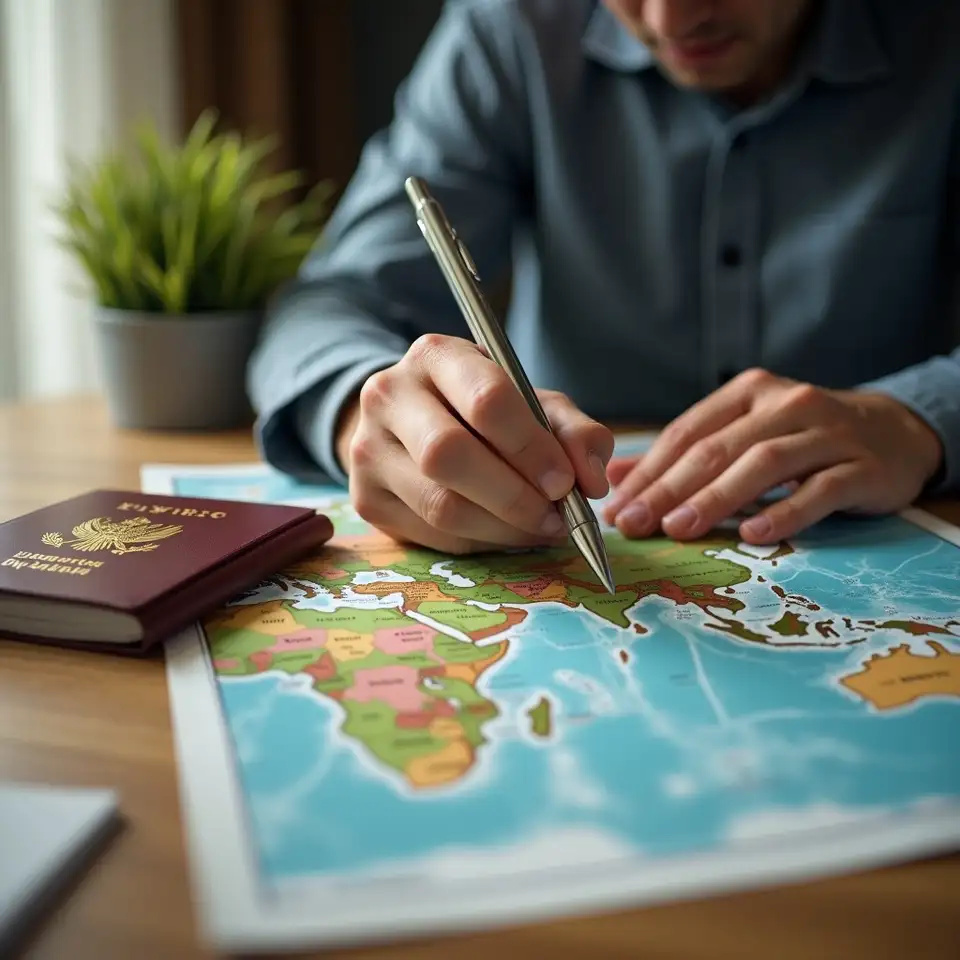
Getting the planning right before a cruise tends to make everything else easier. That sounds obvious, but the number of decisions involved — itinerary, cabin type, travel insurance, port excursions, documentation — can catch first-time cruisers off guard. Starting with the big questions before drilling into the details usually helps.
Travel documentation for multi-country Southeast Asian itineraries deserves particular attention. Visa requirements vary between ports, and the rules can change. Checking requirements well in advance — rather than the week before departure — is one of those habits that experienced cruise travellers consistently recommend. It is an area where being thorough pays off in a way that is hard to overstate.

Ready to Explore
Have questions about cruise travel in Malaysia or Southeast Asia? We would be glad to help you think through the options.
Planning a cruise involves more questions than most people expect — and that is not a
bad thing. The more clearly you understand what you are looking for, the more likely you
are to find an itinerary that genuinely suits you. If you are at the stage of weighing
up options or just starting to explore what is possible in this region, we are happy to
help point you in a useful direction. Reach out and we can take it from there.
Learn more